


A warm blanket makes winter nights cozy and your sleep quality high. Choosing the best blanket depends on the filling material, personal warmth needs and ease of care. Down, feather and synthetic fiber blankets offer different advantages in terms of warmth, weight and care. In this guide, we will go through the key questions that will help you choose the right warm blanket for you.
What makes a blanket warm and comfortable?
The warmth of a blanket comes from the filling material’s ability to trap air and create an insulating layer between the body and the environment. Down, feathers and microfiber work in different ways: down creates light air pockets, feathers provide structural support and synthetic fibers form a uniform insulating layer. The amount of filling and its distribution directly affect the warmth of the blanket.
Breathability is just as important as warmth. A quality winter blanket will wick moisture away from your body while keeping you warm. This will prevent sweating and nighttime discomfort. Weight distribution also affects comfort: a light but warm blanket will feel more comfortable than a heavy one.

The construction and sewing method of the blanket determine whether the filling remains evenly distributed. Box stitching prevents the filling from shifting and creates an even distribution of heat throughout the blanket. In poor quality blankets, the filling accumulates at the edges, leaving the center cold.
How do I choose the right warmth blanket?
The right blanket warmth depends on the temperature of your bedroom and your personal thermal comforter . If you sleep in a cool room or get cold easily, choose a thicker winter blanket. In a warm bedroom or if you sweat at night, a lighter option will work better. Many manufacturers use warmth ratings to make it easier to compare.
Metabolism affects how much heat your body produces during the night. Active people and children often need lighter blankets than older adults. Couples with different thermal needs may want to consider two separate blankets instead of one.
It is worth considering the changes in the seasons. In the cold of mid-winter, you need a warmer blanket than in early autumn. Many people choose two different blankets: a lighter one for spring and autumn, and a warmer one for winter. This ensures a good sleep all year round.
Use your current duvet as the starting point
Note your current duvet's size, filling, filling weight and any warmth rating, together with when you feel cold or hot beneath it. If it feels comfortable in the evening but too warm in the early morning, tell the retailer that too. Compare a new option with these observations and try to keep your nightwear and duvet cover the same during the comparison. This turns a general request for a warm duvet into a clearer description of how you want the current feel to change.
What is the difference between down, feather and synthetic fiber-based blankets?
A down duvet is the lightest and warmest option for its weight. Down creates airy layers that insulate effectively while keeping the duvet light. Down duvets are long-lasting and breathable, but the most expensive. They require careful washing and drying. Allergy sufferers may experience symptoms, even if high-quality down duvets are well cleaned.

A feather duvet contains mostly feathers and only a little down. It is cheaper but heavier than a down duvet. Feathers provide good warmth but are not as light. Feather duvets are durable and suitable for many budgets. Maintenance is similar to that of down duvets.
A microfiber-based blanket is a synthetic option that works well for allergy sufferers. The synthetic fiber dries quickly and can withstand more frequent washing. Modern microfibers mimic down and provide good warmth at a lower cost. However, they are not as breathable and generally do not last as long as natural materials. Synthetic fiber blankets are great for hotels and Airbnbs, where frequent washing is required.
How do I maintain and care for my warm blanket?
Maintaining your warm blanket starts with regular airing . Shake the blanket open a few times a month and let it air out outside or in a well-ventilated area. This will remove moisture and keep the filling fluffy. Do not hang the blanket in direct sunlight, as UV light can weaken the fabrics.
Washing depends on the material. It is recommended to wash down and feather duvets 1-2 times a year with a special wash or at home in a large washing machine on a gentle program. Use a little liquid detergent and rinse thoroughly. Tumble drying on low heat with tennis balls restores the fluffiness of the filling. Microfiber duvets can withstand more washings and dry faster.

Store blankets in an airy place during the off-season, not tightly packed. A breathable fabric bag protects against dust but allows moisture to escape. Plastic bags cause moisture to accumulate and mold to grow. Replace with a new blanket when the filling is permanently flattened, the fabric has thinned, or the blanket no longer provides adequate warmth.

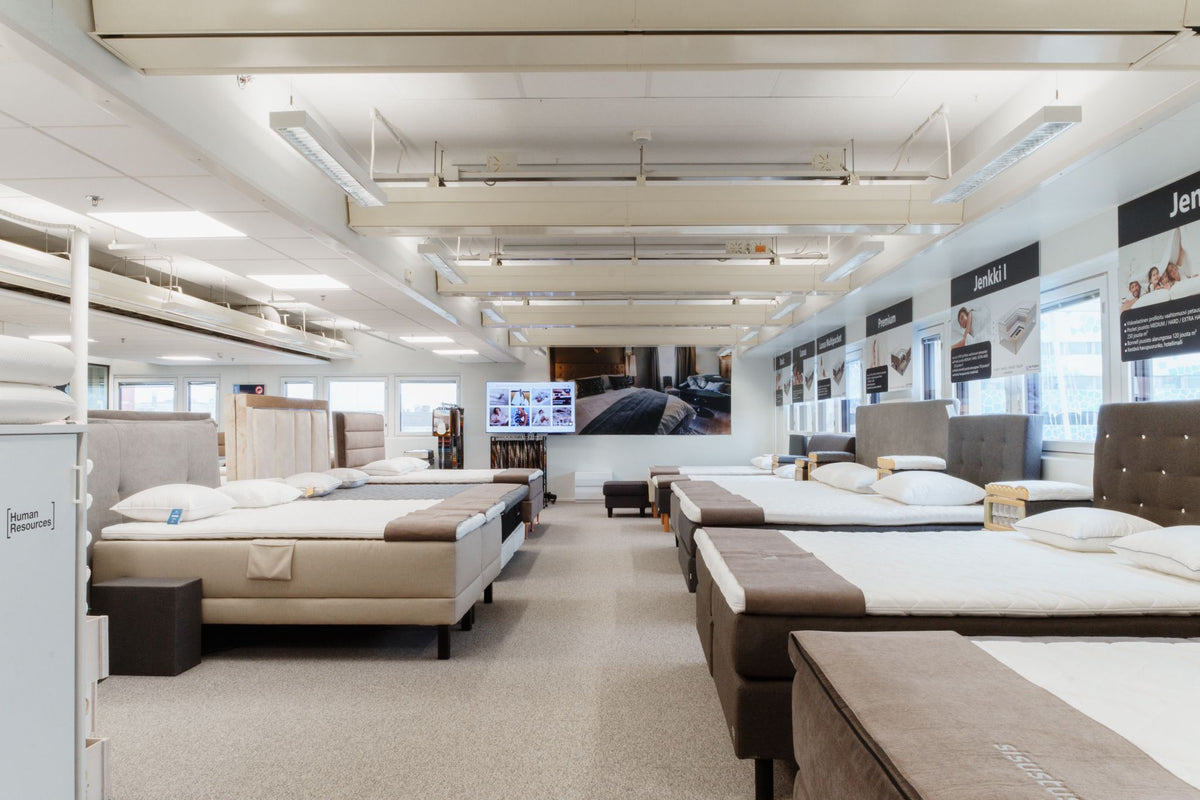
Want to try different blankets before you make a purchase? You can explore our wide selection at our Helsinki showroom , where our professional experts will help you find the perfect warm blanket for you. We offer hotel-quality solutions that bring comfort and quality to your home or business.
Explore our duvet options in person
Visit our Helsinki showroom to explore almost our entire product range. See showroom details and arrange your visit. Contact us using our form for help finding options that suit your needs.





Leave a comment