


Choosing a bathrobe always starts with its intended use. A highly absorbent terry cloth robe is superior after a shower or sauna, while luxurious velour or lightweight waffle fabric is better suited for keeping warm on slow mornings. The choice is not just a matter of taste; it directly impacts comfort, drying time, and the robe's lifespan. In this guide, we'll go through the differences and help you find the perfect model.
Bathrobe materials – which one is best for you?

The material is the most important feature of a bathrobe. It determines the robe's absorbency, weight, softness, and breathability. The most common materials are various types of cotton, but modern microfibers and luxurious natural materials have also found their place.
Cotton Terry: A classic that effectively absorbs moisture
Cotton terry is the traditional and most well-known bathrobe material. Its absorbency is based on the loops woven into the fabric's surface, which increase the surface area and effectively bind water. Terry is the perfect choice when you want to dry yourself quickly after a shower, bath, or swim.

The quality of terry is measured by its weight, expressed in grams per square meter (GSM). A higher GSM number means a denser, thicker, and more absorbent fabric. A high-quality terry bathrobe weighs 400–600 GSM. It feels plush and can withstand heavy use and washing. Although terry is heavy and dries slowly, its superior absorbency and durability make it a reliable everyday item.
The downside of terry is its susceptibility to hardening, snags, and roughness. Terry bathrobes withstand washing well, but they quickly lose their soft quality. Perhaps you've tried a bathrobe in a hotel and noticed it was unpleasantly stiff?
Waffle fabric: A light and breathable option
Waffle fabric is recognized by its honeycomb-like, three-dimensional structure. This structure is not just a visual gimmick; it makes the fabric exceptionally light and breathable. Waffle fabric absorbs moisture well, but its greatest advantage is its quick drying time. That's why it's a popular material for spas, hotels, and travel.

A lightweight waffle robe doesn't feel heavy and is excellent for warmer conditions or for users who don't like the bulkiness of thick terry. It's a stylish and minimalist option for a morning robe or lounging. If you're looking for a practical, quick-drying robe that's easy to pack, waffle fabric is the right choice.
Velour: Velvety softness and luxury
The outer surface of a velour bathrobe is velvety soft and has a refined sheen. It is often made from cotton by cutting open the loops of terry cloth, which creates a smooth and dense pile. This makes the surface incredibly pleasant to the touch. Most often, only the outer surface of the robe is velour, while the inside is left as absorbent terry.
Velour is not as absorbent as traditional terry, so it's best suited for lounging and as a warming layer for dry skin. It's the perfect choice for cool evenings when you want to wrap yourself in something exceptionally soft. Velour bathrobes represent luxury and comfort, bringing a little piece of indulgence to everyday life.
Microfiber: Modern and fast-drying
Microfiber is a synthetic material made from thin polyester or polyamide fibers. These bathrobes are extremely lightweight, soft, and dry exceptionally quickly. They are also durable, and their lightness makes them an excellent option for travel, the gym, or the swimming pool.
While microfiber may not feel as natural against the skin as cotton, its technical properties are decisive for many. It doesn't absorb moisture into itself like cotton; instead, it effectively wicks it away from the skin. This makes it a good choice for those who value practicality and speed above all else.

The downside of microfiber is its poor breathability and very warm structure, which is more suitable for winter than summer.
Microfiber and terry combination: perfect luxury
The best luxury hotels and spas currently almost exclusively prefer blended bathrobes, where the exterior is short-cut microfiber, offering an incredibly soft and pleasant feel. The interior is terry, which breathes excellently and dries the skin effectively. This way, the best qualities of both materials are combined in one bathrobe, while eliminating their drawbacks.

This method practically has no major weaknesses, which is why it is extremely popular in the best hotels around the world.
Choosing a style: Kimono, hooded, or shawl collar?
Besides the material, the style of the bathrobe affects its purpose and look. The most common styles – shawl collar, hooded, and kimono – each offer their own advantages.
Shawl collar bathrobe: Timeless and warm
A shawl collar is a classic and luxurious choice. The wide, fold-down collar wraps comfortably around the neck and nape, providing extra warmth. This style is familiar from quality hotels and spas, and it instantly creates a relaxed and elegant atmosphere. A shawl collar robe is perfect for cool mornings and evenings, and it's a timeless classic, especially for lounging.


Hooded bathrobe: A practical choice after a shower
A hooded bathrobe is the choice for those who value practicality. The hood is excellent for drying wet hair after a shower or sauna, and it protects against drafts. This style is often a bit more relaxed and sporty than the shawl collar version. It's ideal for active use, such as trips to the swimming pool or after ice swimming, when staying warm is paramount.
Kimono style: Light and stylish
The kimono style, originating from Japan, is recognized by its flat collar and wide sleeves. It is often made from lighter materials such as waffle fabric, silk, or thin cotton. A kimono is an airy and elegant alternative to traditional bathrobes. It is excellent for warm conditions, as a morning robe, or in situations where light coverage is desired without thick fabric. Its minimalist style is timeless and refined.

Try the collar and sleeves in everyday positions
Try the robe while seated and while moving your arms. Check that the chosen collar feels comfortable and the sleeves sit where you want them. If you use it after bathing and for lounging, assess both situations.
How to recognize a quality bathrobe?
A quality bathrobe is an investment that will last for years. Identifying quality is easy when you pay attention to a few key aspects.
- Fabric weight (GSM): Especially for terry robes, a higher GSM number (400–600) indicates density and absorbency. For waffle fabric, the weight is naturally lower, but the fabric should still feel firm and durable.
- Stitching and finishing: Check the seams. Double-stitched seams are a sign of durability. Make sure there are no loose threads hanging from the seams and that the belt loops and pockets are securely sewn.
- Fit and size: A good bathrobe is designed to be loose and comfortable. It should not be tight around the shoulders or arms. Ensure the length is pleasing and the sleeves are long enough. The robe should offer freedom of movement and feel relaxed.
- Certifications: The Öko-Tex Standard 100 certification guarantees that the product contains no harmful chemicals. It is a sign not only of safety for your skin but also of responsible production. The same standard is familiar from many quality home textiles, such as duvets and pillows, which helps create an overall safe environment.

Bathrobe care instructions: How to extend its lifespan
Care for your bathrobe correctly, and it will stay soft and absorbent for a long time. Always wash a new bathrobe before its first use – this removes any manufacturing residues and improves the fabric's absorbency as the fibers open up.
Follow the washing label instructions; generally, cotton robes can be washed at 40–60 degrees Celsius. Avoid fabric softener, as it leaves a film on the fiber surfaces that reduces absorbency. A small amount of vinegar in the fabric softener dispenser, however, helps keep the robe soft and fresh.
Tumble drying at a low temperature makes the bathrobe especially plush. If a thread comes loose from the fabric, do not pull it. Cut it with scissors to prevent the weave from unraveling. With careful care and the right product choices, you can create a cohesive and high-quality atmosphere in your home, extending from the bathroom to the bedroom with stylish pillowcases and duvet covers.
Frequently asked questions
What is the best bathrobe material after sauna?
After a sauna or shower, the best material is definitely thick and absorbent cotton terry. Its looped structure effectively absorbs moisture from the skin, speeds up drying, and keeps you comfortable. A hooded terry robe is an especially good choice, as it also dries your hair at the same time.
How often should a bathrobe be washed?
Washing frequency depends on use. If you use your bathrobe as a towel daily, wash it after 3–4 uses. If you mainly use it as a dressing gown on dry skin, washing it every one or two weeks is sufficient.
Why doesn't a new bathrobe feel absorbent?
New bathrobes often have finishing agents from the production process that make the fabric smooth but reduce absorbency. The first wash removes these agents and opens up the cotton fibers, significantly improving absorbency. The robe reaches its best performance after a few washes.
What does the GSM rating of a bathrobe mean?
GSM stands for "grams per square meter." It is a unit of measurement that indicates the weight and density of the fabric. The higher the GSM number, the thicker, more plush, and generally more absorbent the fabric is. For quality terry bathrobes, the number is typically 400–600.
Explore our bathrobes in person
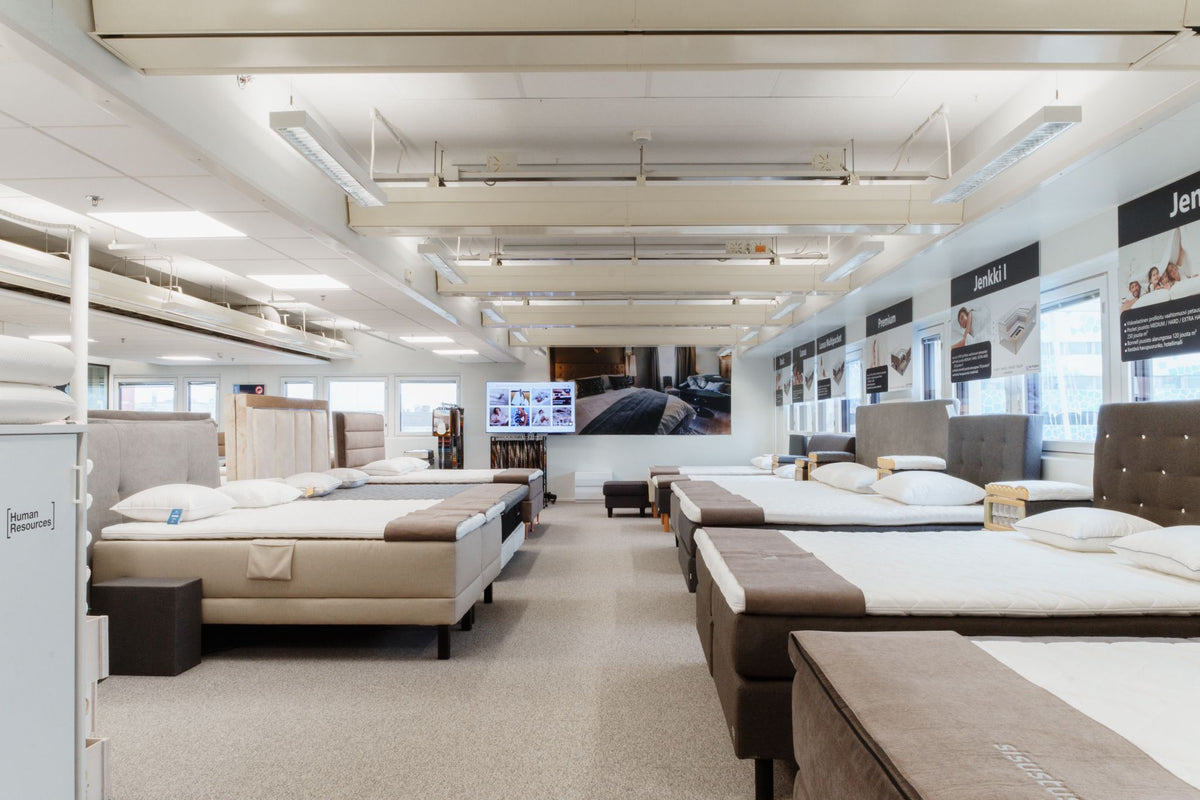
Visit our Helsinki showroom to explore almost our entire product range. See showroom details and arrange your visit. Contact us using our form for help finding options that suit your needs.





Leave a comment