


Children's bedding should combine a comfortable feel, easy care and an age-appropriate design. Material information and reliable certifications help you choose, but a safe sleeping environment depends on the whole bed. Babies and older children have different needs.
Start with safer sleep for babies
Babies under one year should not have pillows or duvets in their cot. Put your baby down on their back on a firm, flat mattress and keep their head and face uncovered. Use a correctly sized baby sleeping bag or bedding recommended by your child health clinic. The NHS safer sleep guidance also stresses keeping loose, soft items out of the cot.
The children's pillows and duvets mentioned in this guide are examples for older children. A small size or textile certification alone does not make a pillow or duvet suitable for a baby.
Why does the material matter?
A soft surface and well-fitting bedding make the bed comfortable. Choose a duvet's warmth rating to suit the room, nightwear and the child's needs. The material name alone does not tell you how warm the complete bed will be.
Cotton and regenerated cellulose fibres such as lyocell offer different textures. Weave, thickness and finishing also matter. Cotton-polyester blends offer easy smoothing and good durability when cared for as instructed.
Children's textiles also need to withstand washing. Check the permitted wash temperature and drying method before buying. A product washable at 60°C can be practical for regular cleaning, but always follow its care label.
Key certifications and labels
Labels cover different things: some concern testing for harmful substances, others environmental requirements or reducing allergy risks. They do not replace age-appropriate design or correct use.
OEKO-TEX® STANDARD 100: tested for harmful substances
OEKO-TEX® STANDARD 100 indicates that a textile meets the standard's limits for harmful substances. Product Class I covers articles for babies and children under three. Class II covers textiles used in direct contact with skin. The label does not mean a product is entirely chemical-free or guaranteed suitable for every allergy.
Nordic Swan Ecolabel: environmental and quality requirements
The Nordic Swan Ecolabel sets requirements for areas including manufacturing chemicals, environmental impacts and textile performance. The SAMSØ Medium down duvet mentioned in this guide carries the Nordic Swan Ecolabel. Always verify certification for the individual product.
Asthma Allergy Nordic: help with choosing bedding
Asthma Allergy Nordic assesses bedding materials and ingredients from an allergy-risk perspective. Its label helps with selection, but does not guarantee that every person will be symptom-free. Colourants can also be assessed: the label does not automatically exclude all coloured textiles.
Common materials and their suitability for children
Cotton: a familiar, soft option
Cotton is a natural fibre whose feel varies with the weave. Percale feels crisp, while cotton sateen feels smooth. Cotton jersey stretches, which makes a fitted sheet easier to put on. Alongside a comfortable surface, look for the right size and practical care instructions.
Lyocell: a smooth regenerated cellulose fibre
Lyocell is made from cellulose, and TENCEL™ is a brand used for fibres including lyocell. Lyocell can feel smooth and soft. The finished textile's feel and moisture handling also depend on its weave and any fibre blend.
Down and feathers: warmth and loft
Down products can combine warmth with low weight. For someone with allergies, choose according to the diagnosed allergy, materials and labels. For example, the SAMSØ down duvet carries the Asthma Allergy Nordic label, but this does not make an adult-sized duvet suitable for a baby. Anyone allergic to the filling should choose a suitable alternative.
Fibre fillings: a practical option for a child's room
Fibre fillings can be easy to shape, and many products are machine washable. The No Problem children's pillow measures 35 × 40 cm and has 130 g of ball-fibre filling and a Trevira CS cover. The Hotel Luxus children's duvet measures 100 × 150 cm and contains 300 g of hollow fibre. Both can be machine washed at 60°C according to their care instructions.
Consider these options for an older child according to their size, warmth needs and whether a pillow is appropriate. Fibre filling alone does not make bedding free of allergens: regular cleaning matters whatever the material.


Practical tips for a safe sleeping environment
A mattress protector makes cleaning easier
A well-fitting protector shields the mattress surface from liquids and stains. The Dream On mattress protector has a cotton jersey surface and a PU membrane that blocks liquids while allowing water vapour through. Its skirt fits mattresses 5–25 cm deep according to the product information; choose the correct width and length as well.
It covers the top of the mattress and is not a fully enclosing allergen cover. On a baby's mattress, the protector must remain smooth and snug without making the sleeping surface soft. Follow the supplied care instructions.

Washing and care
Wash soiled textiles and dry them thoroughly before use. Follow the care label and detergent dosage. Some mattress protectors must not be treated with fabric conditioner, so check before washing. Airing complements washing but does not replace cleaning a soiled product.
Ties, buttons and loose parts
Avoid small detachable decorations and long ties in a child's bed. Check seams and fastenings regularly. A zip must also be intact and suitable for the intended use; a particular fastening alone does not determine a product's safety.
Keep the care instructions for each item
Save the separate care instructions for the duvet, pillow, protector and bed linen, for example as photos. Another adult caring for the child can then find the washing and drying instructions for each item. Label the photos with the product name and size so that similar-looking textiles are not confused.
Explore our textiles in person
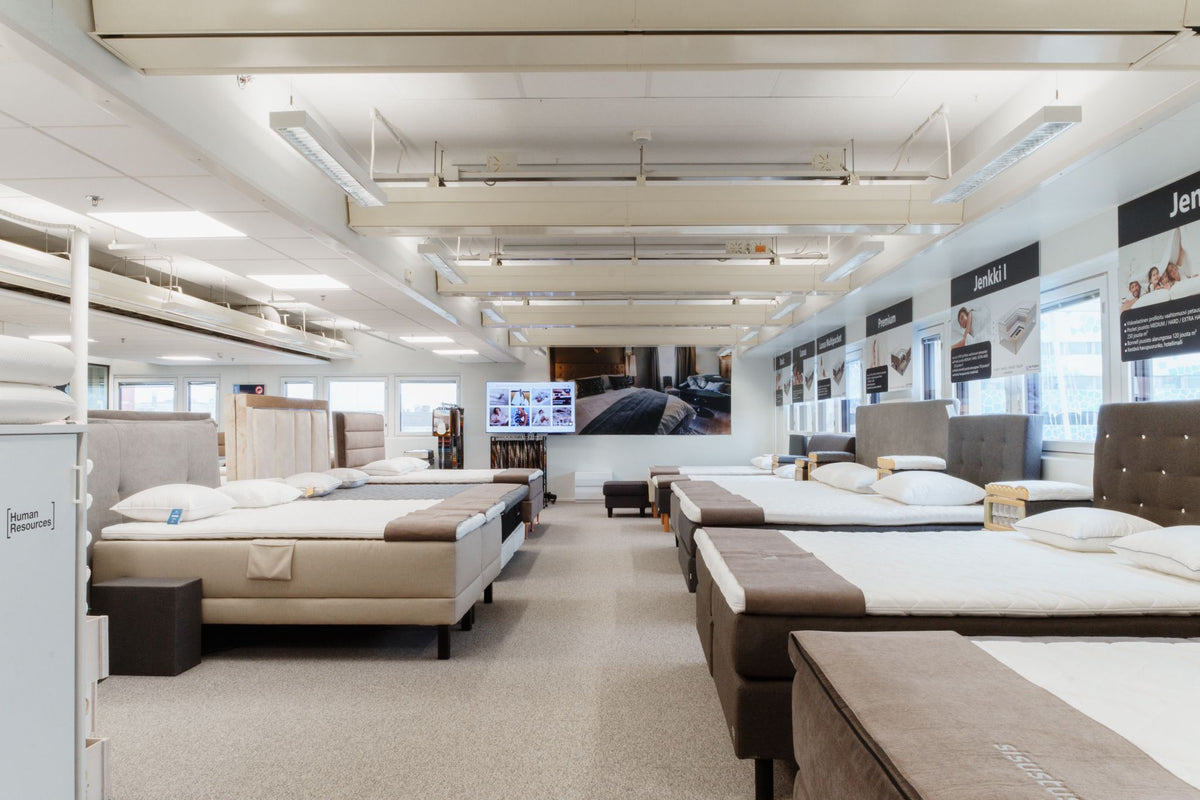
Visit our Helsinki showroom to explore almost our entire product range. See showroom details and arrange your visit. Contact us using our form for help finding options that suit your needs.





Leave a comment