


The rule of thumb is that a suitable weighted blanket weighs about 10% of your body weight. This is a good starting point, but the most important indicator is your own feeling. The blanket should feel like a safe and gentle hug, never suffocating. If you are debating between two weights, choose the lighter one – it's a safer option.
The effectiveness of a weighted blanket isn't magic, but pure physiology. Its even pressure creates a sensation of deep pressure stimulation, which calms the nervous system. The pressure activates the parasympathetic nervous system, responsible for rest and recovery, and dampens the sympathetic nervous system, which controls stress responses. In practice, the blanket helps the body and mind switch from overdrive to a relaxed state, which is key to deep and restorative sleep.
Why does a weighted blanket calm and improve sleep?
The deep pressure sensation created by the blanket signals to the brain that you are safe. This physiological reaction helps the body release feel-good hormones such as serotonin and dopamine. Serotonin not only balances mood but is also a precursor to the sleep hormone melatonin. When serotonin levels are good, the body produces melatonin more easily as evening approaches. This speeds up falling asleep and improves sleep quality.

Deep pressure also helps with grounding. Restlessness, anxiety, and racing thoughts often stem from a feeling that the body's boundaries are blurring. A weighted blanket helps define your body, creates a clear physical sensation, and brings your thoughts back to the present moment. For many, this feeling is extremely calming and effectively breaks the stress cycle.
How do I choose the right weight for a weighted blanket?
Choosing the right weight is crucial. A blanket that's too light won't provide enough calming effect, and one that's too heavy will feel uncomfortable or even distressing.
The 10 percent rule of thumb – and when you can deviate from it

The general recommendation is to choose a blanket that weighs about 8–12% of your body weight. For example, a 7 kg blanket is typically suitable for someone weighing 70 kg. However, this is just a recommendation. Some more experienced users or those seeking a stronger pressure sensation might prefer a heavier blanket. Beginners, however, should stick close to the 10 percent rule or choose the lighter option between two choices.
A weighted blanket is personal. It is not meant to be shared, as the weight should only be directed at one sleeper. In a double bed, it is therefore good for both individuals to have their own weighted blankets that are suitable for their weight.
Consider physical condition and health restrictions
A weighted blanket is not suitable for everyone, so before purchasing, ensure there are no health obstacles to its use. If you have respiratory or circulatory diseases, osteoporosis, or diabetes-related complications, consult a doctor before using the blanket.
The user must always be able to move the blanket off themselves. Therefore, weighted blankets are not recommended for very young children or people with significant mobility limitations. There are specific, lighter models for children, but even with these, extreme caution is advised.
Blanket size and weight distribution
In a quality weighted blanket, the weight is evenly distributed. This is achieved by sewing the filling material, such as small glass beads, into numerous small pockets. This structure ensures that the pressure is applied evenly to the body, regardless of sleeping position.

Choose a blanket that covers your body but doesn't drape over the edges of the bed. If the blanket is too wide, some of the weight will escape over the sides of the bed, and the deep pressure effect will not be optimal. Therefore, choose a blanket designed for one person that suits your dimensions.
Who is a weighted blanket suitable for?
Many people use weighted blankets to support various challenges or simply for relaxation. While the blanket is not a medicine, it is reported to be helpful in the following situations:
- Difficulty falling asleep and insomnia: The calming effect can shorten the time it takes to fall asleep and reduce waking up at night.
- Stress and anxiety: The deep pressure sensation helps calm the nervous system and alleviate feelings of restlessness.
- ADHD and autism spectrum disorders: For those with sensory hypersensitivity, the feeling of weight is often grounding and improves concentration.
- Restless legs syndrome: Even pressure on the legs can ease uncomfortable sensations and the need to move.
- Daily recovery: The blanket also works wonderfully as a throw blanket on the sofa after a hard day, helping the body transition into a resting state.
Materials and use – what you need to know?
In addition to weight, the material affects user comfort. The cover can be, for example, breathable cotton or soft, warm minky fabric. If you sweat at night, choose the most breathable material possible. For example, Cura of Sweden's collections offer options for different needs.
Give your body time to get used to the new sensation, which may feel strange at first. You can start by using the blanket for only part of the night or for an hour while relaxing on the sofa. Usually, the body gets used to the weight in a few nights, at most within a week.

Always check the care instructions on the product. Many models have a removable and machine-washable cover, which makes cleaning easier. The weighted blanket itself is more challenging to wash and may require hand washing or a trip to the dry cleaner. A heavy blanket is also difficult to carry from the store, so ordering it for home delivery or to a pickup point is a smart move.
The most important thing when choosing a blanket is to listen to your own body. A properly selected weighted blanket is not just a sleeping aid, but an investment in your well-being and recovery. It helps make the bedroom a true sanctuary of peace.
Frequently asked questions
Can a weighted blanket be too heavy?
Yes, absolutely. If the blanket restricts movement, feels suffocating, or otherwise uncomfortable, it is too heavy. The feeling is the most important indicator: the blanket should feel like a safe hug, not a trap. If you are debating between two weights, choose the lighter one.
How long does it take to get used to a weighted blanket?
Acclimatization is individual and usually takes from a few nights to a week. You can ease the transition by using the blanket for shorter periods at first, for example, while reading, before sleeping with it all night. This gives your nervous system time to adapt to the new sensation.
Is a weighted blanket hot?
Due to its weight, the blanket may feel warmer than a regular blanket because it reduces air circulation around the body. If you sweat easily, opt for models with a breathable cotton cover. Warmer materials, such as minky fabric, are better suited for those who get cold easily.
Can children use a weighted blanket?
Yes, but use requires special care. The weight must be proportionate to the child's size, and the child must absolutely be able to move the blanket off themselves. For children under 3 years old or very small children, the blanket is generally not recommended. Consult a therapist or doctor before purchasing a blanket for a child.
Check the weighted duvet's cover and fastenings
Before ordering, check whether a removable cover is included and how it attaches. Compare its dimensions with the duvet and read each component's care instructions separately. This includes cover changes and maintenance in the purchasing decision.
Explore our duvet options in person
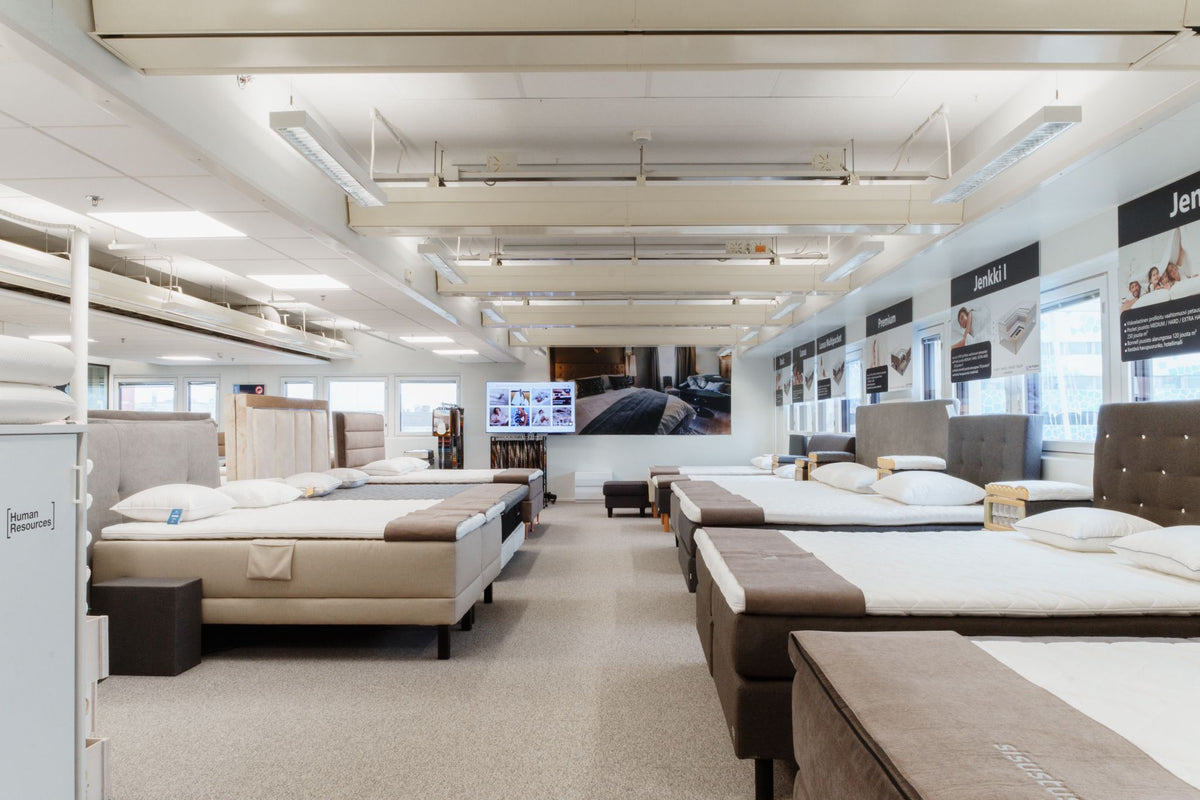
Visit our Helsinki showroom to explore almost our entire product range. See showroom details and arrange your visit. Contact us using our form for help finding options that suit your needs.





Leave a comment