


A hotel's plush bathrobe is not just a luxury item, but a carefully considered part of the customer experience. It is designed to withstand heavy use and continuous washing without losing its softness, and its purpose is to communicate quality. The same logic applies at home: a high-quality bathrobe is an investment in everyday comfort for years to come, while a cheap version quickly becomes rough and loses its absorbency.
The best bathrobe is not the same for everyone. The choice depends on what you value most: efficient absorbency after a shower, lightness for cooling down after a sauna, or soft warmth for lounging. When you understand the differences in materials and structures, you can choose the right bathrobe for you.
How do professional bathrobes differ from ordinary ones?
Hotels and spas require textiles with exceptional durability and easy care. The bathrobes they use are made from materials and with techniques that can withstand dozens, even hundreds of washes at 60 degrees. This is precisely where the difference from consumer products lies.


Of course, it's also important to note the different quality levels of bathrobes used by hotels of varying standards. Budget hotels use cheaper bathrobes whose features don't match the level of luxury hotels. In this blog, we focus on luxury hotel bathrobes, which our selection also represents.

In practice, the difference is noticeable in three things: material, weight, and stitching. While 100% cotton is absorbent and gentle on the skin, many hotels now prefer blended fabrics, where a cotton inner surface is combined with a durable microfiber outer surface. The fabric weight, expressed in grams per square meter (g/m² or GSM), is often higher. A dense weave, over 400 g/m², absorbs moisture more effectively and feels more luxurious. Seams and stitching are also reinforced to withstand industrial washing and spinning.
How to choose the perfect bathrobe for yourself?
You can use the same professional criteria when looking for a bathrobe for your home. Forget colors and patterns for a moment (we'll come back to them later) and focus on the intended use. Are you looking for a robe that dries you in an instant, or a light and airy garment for relaxed lounging?
Material is the most important single factor
The material determines the bathrobe's absorbency, weight, feel, and drying speed. Four common materials serve different needs.
Cotton terry: A classic, and for good reason. Terry is very absorbent and soft, making it perfect after a shower or bath. It is a durable and easy-care material. The longer and denser the loops in the fabric, the better it absorbs moisture. High-quality terry is the best choice if the main purpose of the robe is drying. The downside of terry bathrobes is that they harden with washing and are prone to snagging. Terry bathrobes withstand washing well, but their softness quickly disappears, and they become hard and rough; perhaps you have encountered such robes in some hotels.

Waffle fabric: A waffle-weave bathrobe is significantly lighter and airier than terry. Its waffle-like structure breathes well and dries very quickly. Its absorbency doesn't match that of thick terry, but it's a perfect choice for the sauna, travel, or lounging in summer heat. It's also stylish and takes up little closet space. Many tropical hotels favor waffle fabric, as it suits hot climates well. Waffle does not offer a plush and warm feel.

Microfiber and velour: Microfiber is a synthetic material known for its exceptional softness and lightness. Velour, often a blend of cotton and polyester, is luxuriously soft and ideal for lounging and warming up. However, its absorbency doesn't compare to cotton terry, and the velour surface can feel clammy if you wear it immediately after a shower. Choose these if you prioritize softness and warmth above all else. The material feels incredibly soft on the skin, but it might become clammy in warm temperatures and when worn for extended periods.

Terry + microfiber combination: The choice of the highest-quality luxury hotels is a combination of microfiber and terry, where absorbent 100% cotton terry is against the skin on the inside, and soft, plush microfiber is on the outside. This way, the bathrobe combines the best properties of two materials and at the same time negates their drawbacks. Combination bathrobes withstand washing best of all, do not harden, breathe and dry the skin excellently, and offer a plush and soft feel without being clammy. Combination bathrobes are generally not as light as waffle bathrobes.

Weight indicates quality and intended use
Fabric weight (GSM) indicates its thickness and density, but it is not the only measure of quality – fabric structure also plays a role. The number indicates how many grams the fabric weighs per square meter.
Lightweight fabrics (under 350 g/m²), such as waffle fabric, are excellent for travel and summer use. Medium-weight bathrobes (around 350–500 g/m²) offer a good balance between absorbency and drying speed. Most high-quality terry robes fall into this category. Heavy bathrobes, weighing over 500 g/m², are the most luxurious: extremely absorbent, plush, and warm. They dry slower but feel incomparable on the skin – a perfect choice for those who get cold easily and for pampering moments.
Compare bathrobe measurements with a familiar garment
Measure the length, sleeve length and width of a bathrobe that fits well, then compare them with the product's size chart. When trying it on, check front overlap and belt position while seated too. This bases your choice on the fit you want rather than only a letter size or photograph.
Remember the right care
Even a high-quality bathrobe can suffer from improper care. Wash an inexpensive bathrobe before first use to remove manufacturing residues and dust and activate the fabric's absorbency. Avoid fabric softener, as it leaves a film on the fibers that impairs absorbency. You can replace it with laundry vinegar. High-quality bathrobes are usually ready for use without pre-washing.
Tumble drying at a low temperature will restore the bathrobe's fluffiness. If you hang the bathrobe to dry, straighten and shape it lightly when damp to help it retain its form.
When you choose a bathrobe with a professional touch, you get a product that brings comfort and luxury to your everyday life for years to come. Explore high-quality and durable options in the Sisustus1.fi online store.

Frequently Asked Questions
What does the GSM number mean in a bathrobe?
GSM (grams per square meter) refers to the weight and density of the fabric. A higher GSM number (e.g., 500 g/m²) indicates a thicker, fluffier, and more absorbent fabric. A lower number (e.g., under 350 g/m²) suggests a lighter and faster-drying material, such as waffle fabric.


How often should a bathrobe be washed?
Regular washing is important. If you use the robe daily on wet skin, wash it more frequently for hygiene reasons, even weekly (just like your towels). If it is mainly loungewear, less frequent washing is sufficient (compare to washing pajamas). Always follow the product's own washing instructions.
Why should a new bathrobe be washed before use?
The first wash removes manufacturing chemicals and finishing agents from the fabric. Washing improves the material's absorbency, makes it more pleasant against the skin, and tightens the fabric fibers, which increases its durability. High-quality bathrobes usually do not require washing before use.
Explore our bathrobes in person
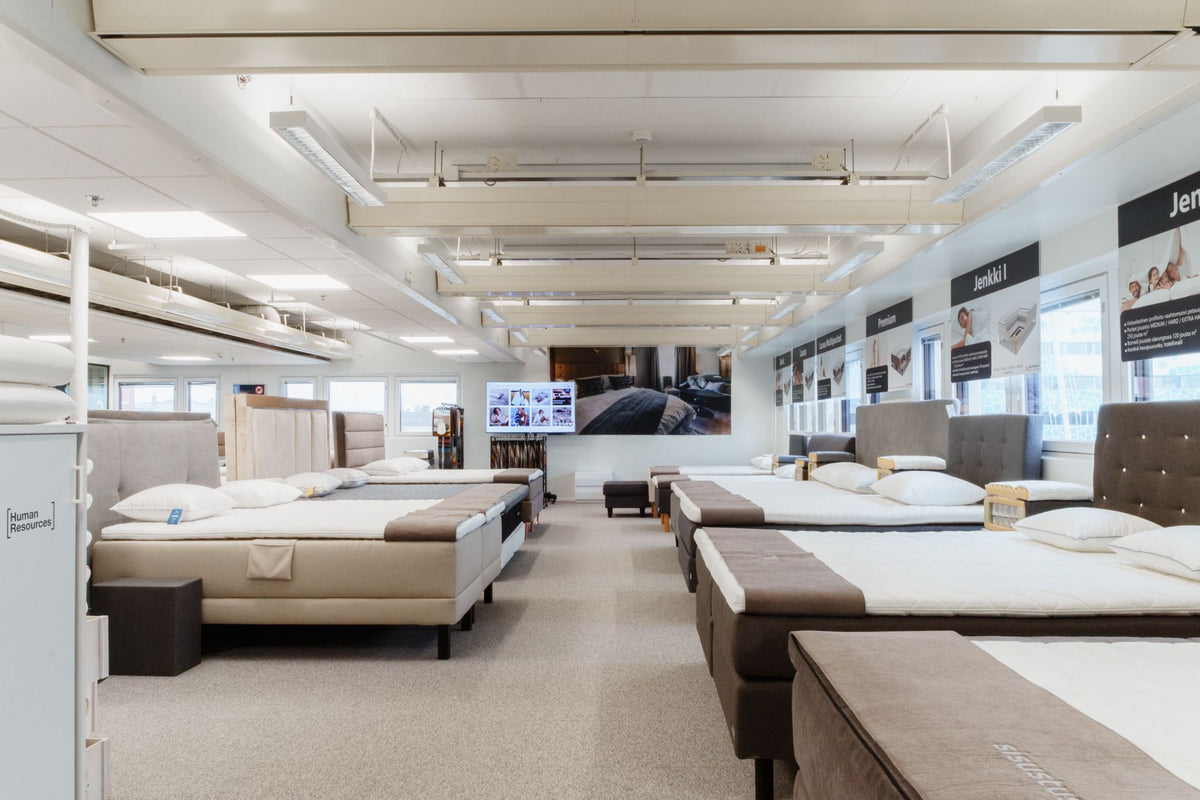
Visit our Helsinki showroom to explore almost our entire product range. See showroom details and arrange your visit. Contact us using our form for help finding options that suit your needs.





Leave a comment