


A weighted blanket is much more than just a heavy blanket. It is a therapeutic aid that calms the nervous system through deep pressure stimulation. The effect is not imagined but entirely physiological. Many find it helpful for restlessness and improving sleep quality, but it is not suitable for everyone. In some situations, its use can even be a risk.

In this guide, we will tell you how a weighted blanket works, how to choose the right one, and for whom it is not suitable for safety reasons.
How does a weighted blanket work and what are its benefits?
The effectiveness of a weighted blanket is based on deep pressure stimulation (DPS). Its even and gentle pressure activates the parasympathetic nervous system, which is responsible for the body's resting state. The effect is similar to a calming hug: it increases the feeling of security and helps the body relax.
This physiological reaction accelerates the production of feel-good hormones, such as serotonin and dopamine, and lowers the level of the stress hormone cortisol. At the same time, it helps the body produce melatonin, the sleep hormone, which facilitates falling asleep.
Key benefits of a weighted blanket:
- Calms the nervous system: Even pressure alleviates physical and mental restlessness. It's an excellent tool after a stressful day or when thoughts race at bedtime.
- Improves sleep quality: Many fall asleep faster and sleep more soundly under a weighted blanket. The blanket reduces nocturnal movement and awakenings, making sleep more consistent.
- May relieve anxiety: Deep pressure stimulation is known to reduce symptoms of anxiety. The sense of security created by the blanket helps to ground and calm down.

Weighted blankets are sought for help with insomnia, restless legs, anxiety, and sensory sensitivities in individuals with ADHD and on the autism spectrum. However, the blanket is specifically an aid, not a medical treatment.
How to choose the right weight and size?
Choosing the correct weight is crucial to get all the benefits from the blanket. A blanket that is too light will not produce the desired therapeutic effect, while one that is too heavy will feel uncomfortable and can be dangerous.
A good rule of thumb is to choose a blanket that weighs about 8–12% of your body weight. For example, a 70 kg person typically suits a 7 kg blanket. If your weight falls between two recommendations, choose the lighter option. Although the feeling is individual, a blanket that is too heavy restricts movement and can feel oppressive.
| Body Weight | Recommended Blanket Weight |
| 40–55 kg | 5 kg |
| 56–75 kg | 7 kg |
| 76–90 kg | 9 kg |
| 91–110 kg | 11 kg |
Size also matters. Unlike a regular blanket, a weighted blanket should not hang over the edges of the bed. It should cover you, not the entire bed. If the blanket is too wide, its own weight will pull it off you during the night, and the therapeutic effect will be lost. A weighted blanket is thus personal and sized for one sleeper.
Keep the model-specific instructions
Ask to read the weighted duvet's use and care instructions before choosing and keep them with the product. Record the exact model, dimensions and weight so that any later questions can refer to that particular item.
For whom is a weighted blanket NOT suitable? – Important safety considerations
Although a weighted blanket is beneficial for many, it is not suitable for everyone. In certain situations and medical conditions, its use should be avoided or at least discussed with a doctor.
Do not use a weighted blanket in the following cases without a doctor's permission:
- Respiratory and circulatory system diseases: If you have asthma, sleep apnea, COPD, or heart failure, the weight of the blanket on your chest can make breathing difficult and strain circulation.
- Mobility limitations: The user must always be able to remove the blanket themselves. If a person is very frail, elderly, or has motor difficulties, the blanket is a safety risk.
- Advanced osteoporosis: The pressure of the blanket is a risk for fragile bones.
Special caution is required with children. A weighted blanket must never be given to a small child due to the risk of suffocation. The child must be old and strong enough to move the blanket off themselves. Always consult a doctor or occupational therapist before getting a weighted blanket for a child.

Weighted blanket materials and getting started
In modern weighted blankets, the weight comes from small glass beads sewn into small, quilted pockets inside the blanket. This structure ensures that the weight is evenly distributed and the filling does not accumulate at the edges.
There are cover materials for every preference. Cotton is breathable and a good choice if you sweat easily. Soft minky fabrics, on the other hand, provide extra comfort and warmth and are perfect for relaxing on the sofa.
The body needs time to get used to the new sensation. Give yourself time and start using it gradually:
- First, use the blanket for only 15–20 minutes at a time, for example, while reading on the sofa.
- When the feeling becomes pleasant, try taking a nap under the blanket.
- Start using the blanket for part of the night and eventually for the entire night when it feels natural.
A correctly chosen weighted blanket is an investment in your well-being. The most important thing is to identify your needs and ensure that there are no health impediments to its use. Ordering online also saves you from carrying a heavy blanket through the mall.

Frequently Asked Questions
Can a weighted blanket be too heavy?
Yes. If the blanket restricts movement, causes pain, or feels oppressive, it is too heavy. The rule of thumb of about 10% of body weight is a starting point, not a hard and fast rule. If your weight falls between two recommendations, always choose the lighter one. The most important thing is that the blanket feels comfortable and safe.
Do I need to use another blanket under a weighted blanket?
Not necessarily, this is a matter of preference. For many, a weighted blanket alone is sufficient. If you get cold easily, you can use a thin ordinary blanket or duvet cover underneath for extra warmth. In summer heat, a weighted blanket alone is often just right.
How long does it take to get used to a weighted blanket?
This is individual. Some get used to the blanket immediately, while others may take a week or two. Start gradually in short periods during the day so that your nervous system has time to adapt to the new sensation before using it for the entire night.
Can two people use the same weighted blanket?
Not recommended. A weighted blanket is personal, and its weight is calculated for one user. If two people share a blanket, the pressure will not be distributed correctly for either. It is also unlikely that the same weight would suit both.
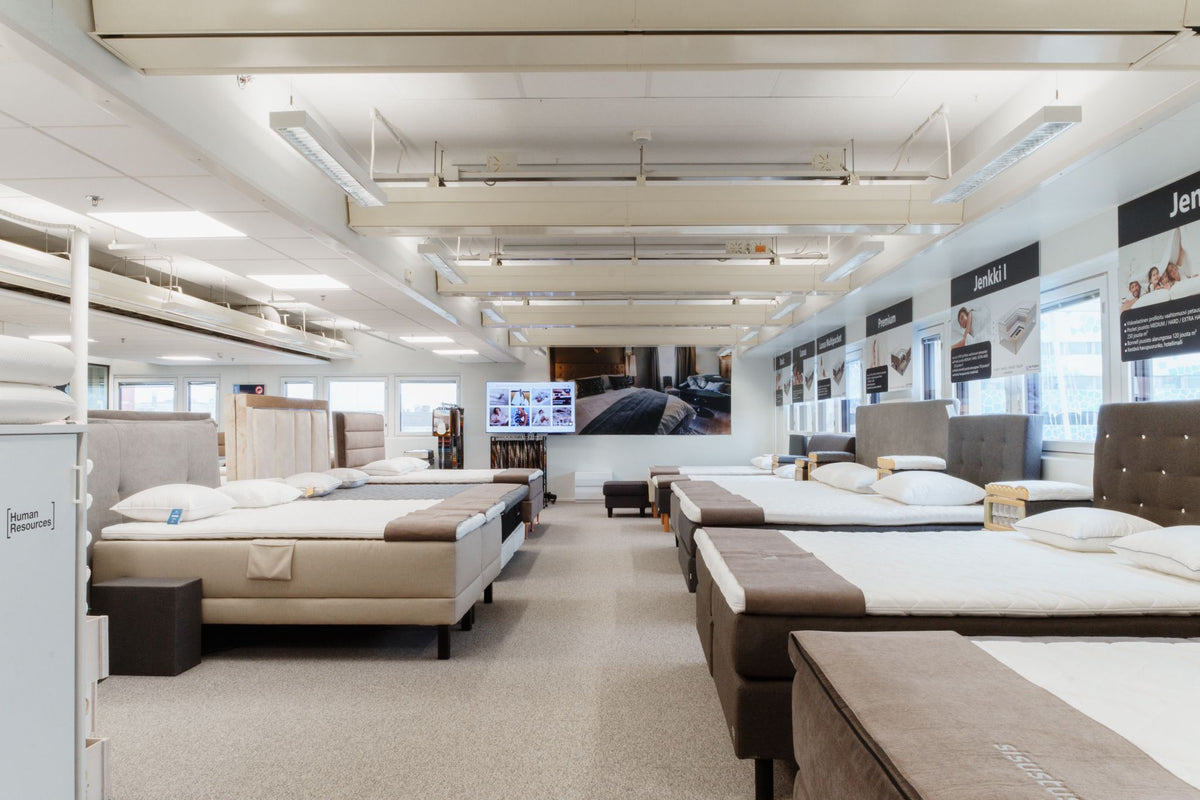
Explore our duvet options in person
Visit our Helsinki showroom to explore almost our entire product range. See showroom details and arrange your visit. Contact us using our form for help finding options that suit your needs.





Leave a comment